Securing Networks: Designing and Evaluating a Machine Learning System for Anomaly Detection

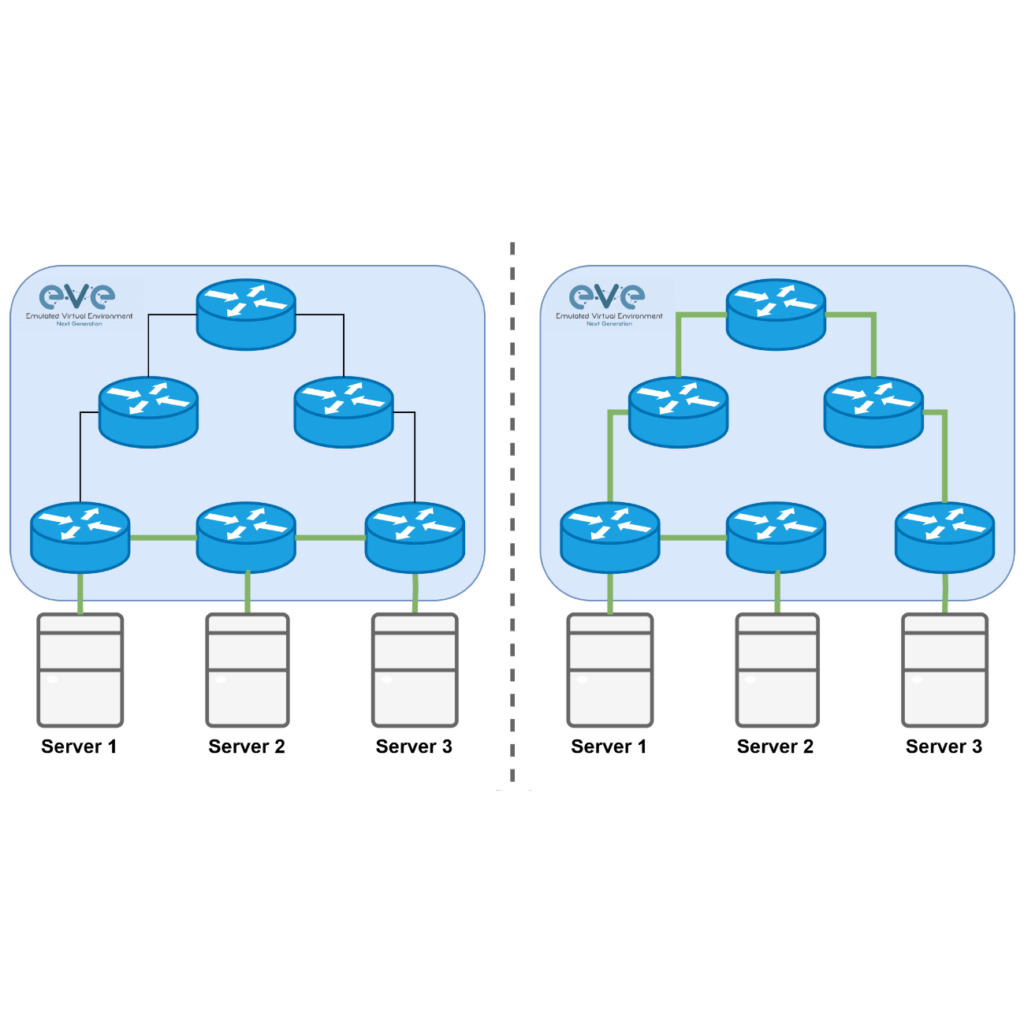
Background: In the last decade, numerous methods have been proposed to define and detect outliers, particularly in complex environments like networks, where anomalies significantly deviate from normal patterns. Although defining a clear standard is challenging, anomaly detection systems have become essential for network administrators to efficiently identify and resolve irregularities. Methods: This study develops and evaluates a machine learning-based system for network anomaly detection, focusing on point anomalies within network traffic. It employs both unsupervised and supervised learning techniques, including change point detection, clustering, and classification models, to identify anomalies.

SHAP values are utilized to enhance model interpretability. Results: Unsupervised models effectively captured temporal patterns, while supervised models, particularly Random Forest (94.3%), demonstrated high accuracy in classifying anomalies, closely approximating the actual anomaly rate. Conclusions: Experimental results indicate that the system can accurately predict network anomalies in advance. Congestion and packet loss were identified as key factors in anomaly detection. This study demonstrates the potential for real-world deployment of the anomaly detection system to validate its scalability.
https://www.mdpi.com/2673-2688/5/4/143

Read More

Automated Live Production: Orchestrating User-Generated Content with Cloud-Native NEMO Architecture

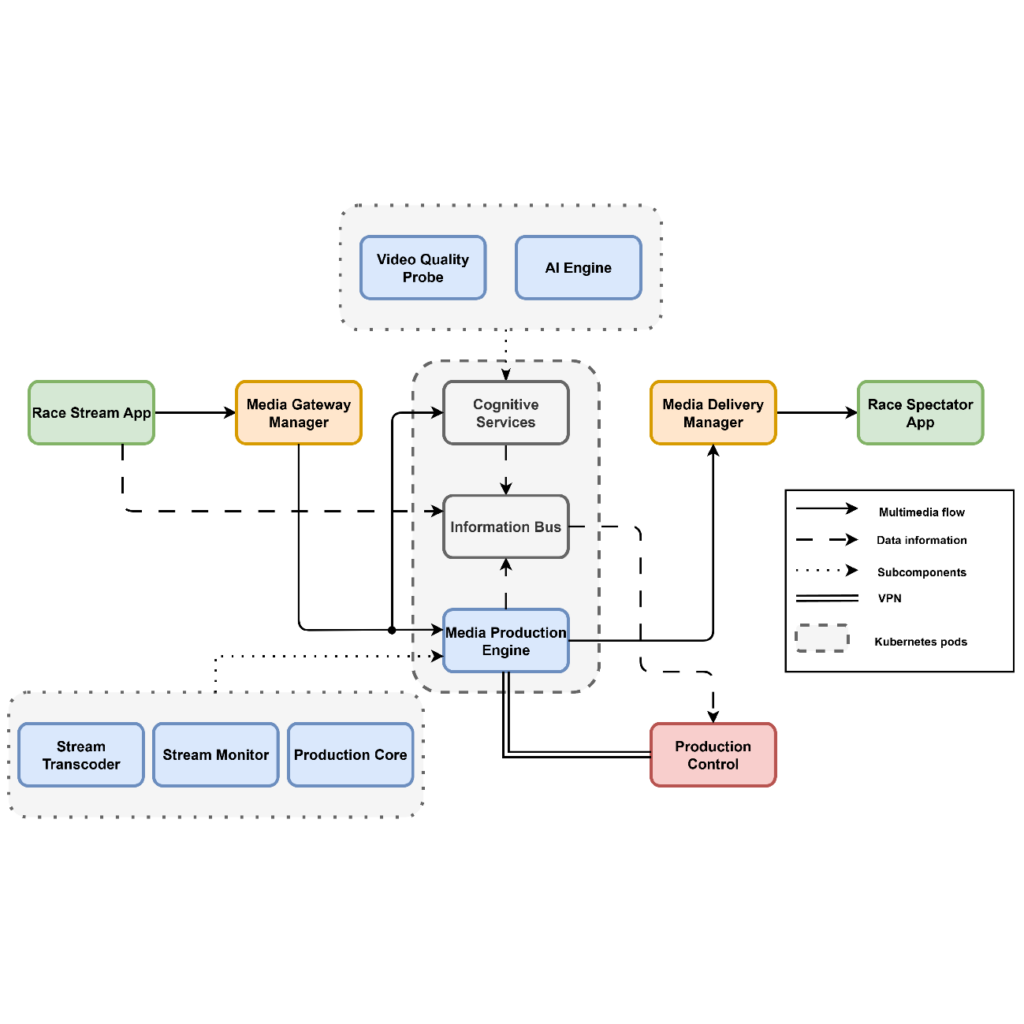
The increasing availability of User-Generated Content during large-scale events is transforming spectators into active co-creators of live narratives while simultaneously introducing challenges in managing heterogeneous sources, ensuring content quality, and orchestrating distributed infrastructures. A trial was conducted to evaluate automated orchestration, media enrichment, and real-time quality assessment in a live sporting scenario. A key innovation of this work is the use of a cloud-native architecture based on Kubernetes, enabling dynamic and scalable integration of smartphone streams and remote production tools into a unified workflow.

The system also included advanced cognitive services, such as a Video Quality Probe for estimating perceived visual quality and an AI Engine based on YOLO models for detection and recognition of runners and bib numbers. Together, these components enable a fully automated workflow for live production, combining real-time analysis and quality monitoring, capabilities that previously required manual or offline processing. The results demonstrated consistently high Mean Opinion Score (MOS) values above 3 72.92% of the time, confirming acceptable perceived quality under real network conditions, while the AI Engine achieved strong performance with a Precision of 93.6% and Recall of 80.4%.

https://www.mdpi.com/2079-9292/14/20/4115

Read More

Objective QoE Analysis in Adaptive Streaming: A Precise Method Using Video-MOS

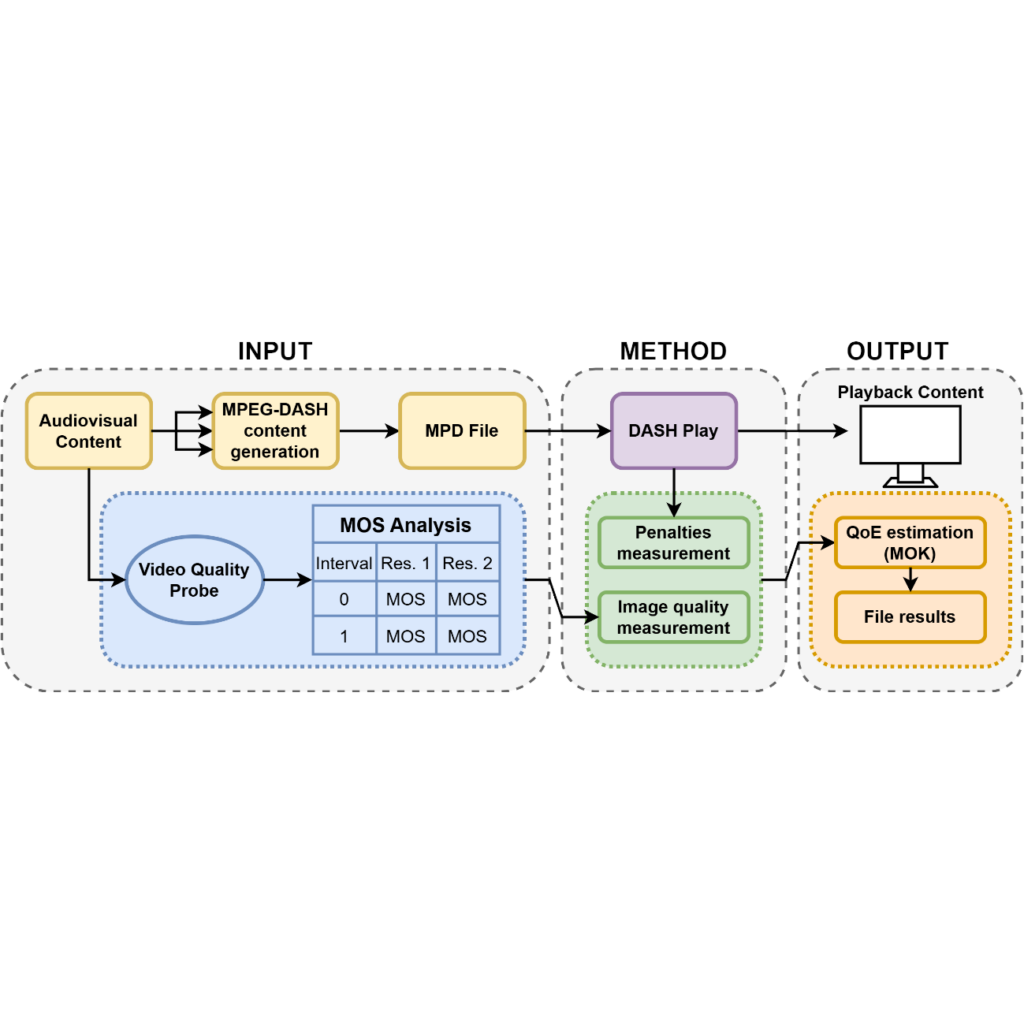
Evaluating Quality of Experience (QoE) is crucial for multimedia services, as it measures user satisfaction with content delivery. This paper presents an objective method for evaluating QoE in adaptive streaming services, using the commercial tool Video-MOS, which allows real-time monitoring and analysis of multimedia content quality across various platforms and networks. The method aims to provide a precise evaluation that incorporates both technical and subjective factors. This approach integrates multiple factors that influence the overall user perception of adaptive streaming quality, offering greater flexibility and performance, which could contribute to more comprehensive future assessment.

The method is validated by a test plan that incorporates a variety of content and scenarios to simulate various network conditions. The results demonstrate the method’s effectiveness in predicting QoE, highlighting the rebuffering frequency as a significant factor. In optimal conditions, specific content types can achieve a QoE score as high as 3.36. Conversely, under unfavorable conditions, the QoE may decrease by up to 1.42 Mean Opinion Score (MOS) points, which represents an 80% reduction from its optimal level.

Although the rebuffering frequency has a substantial influence, a long initial buffer can have an even more negative effect on QoE, particularly under adverse conditions. Furthermore, adaptive streaming technologies, such as Dynamic Adaptive Streaming over HTTP (MPEG-DASH) and Adaptive Bitrate Streaming (ABR) are integral to the assessment process.

https://ieeexplore.ieee.org/document/11151675

Read More

Use cases explained during Tech Expo 2025

During the TechEx Expo 2025 in Amsterdam NEMO was able to showcase the pilot results to EU Official, the Project Officer Svetoslav Mihaylov and the Project Reviewers.

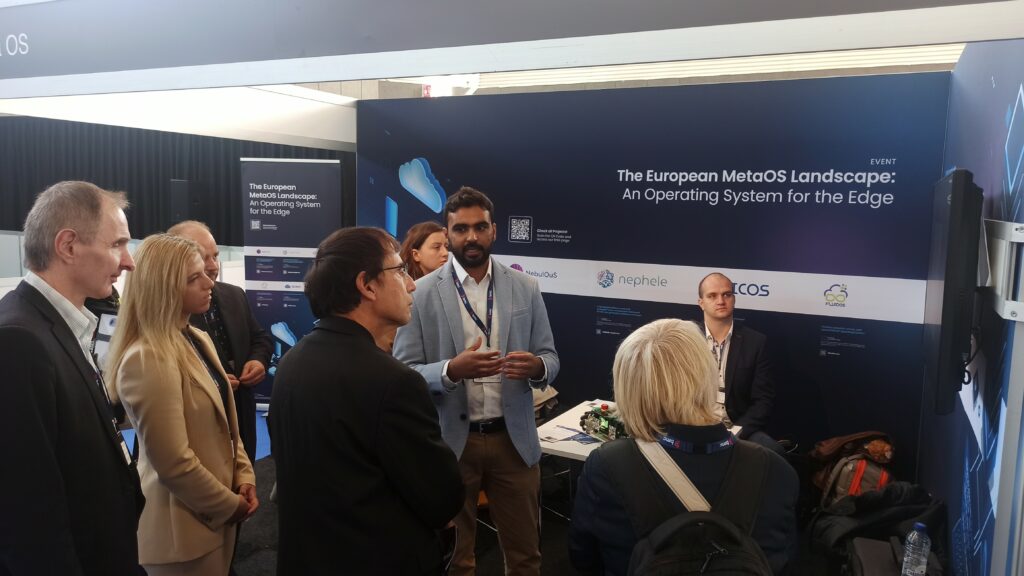
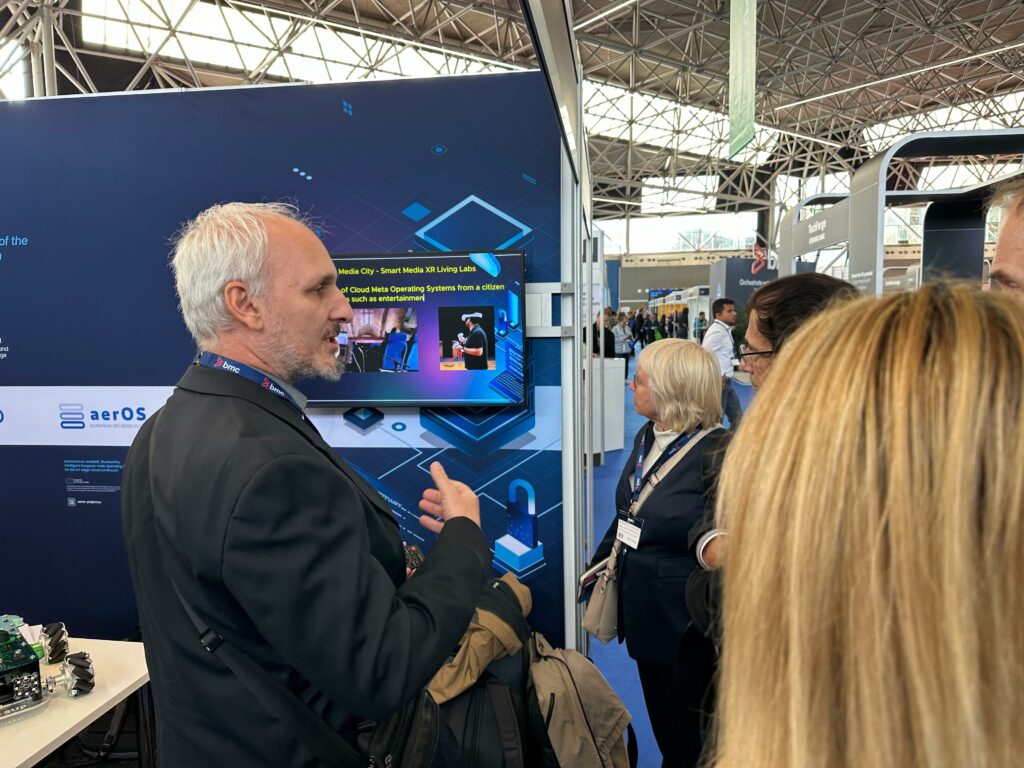
Our colleagues Prashanth Kumar Pedholla from Terni S.A. and Dimi Christopoulos from the Foundation of the Hellenic World explained them how the Smart Energy, Smart media City and Smart Media XR pilots where able to leverage NEMO MetaOS succesfully.

The Reviewers and PO where especially impressed by the fact that NEMO is the only Project that had Pilots in Media and VR/XR for Culture.

Read More

Meta-Operating Systems for the Next Generation IoT and Edge Computing

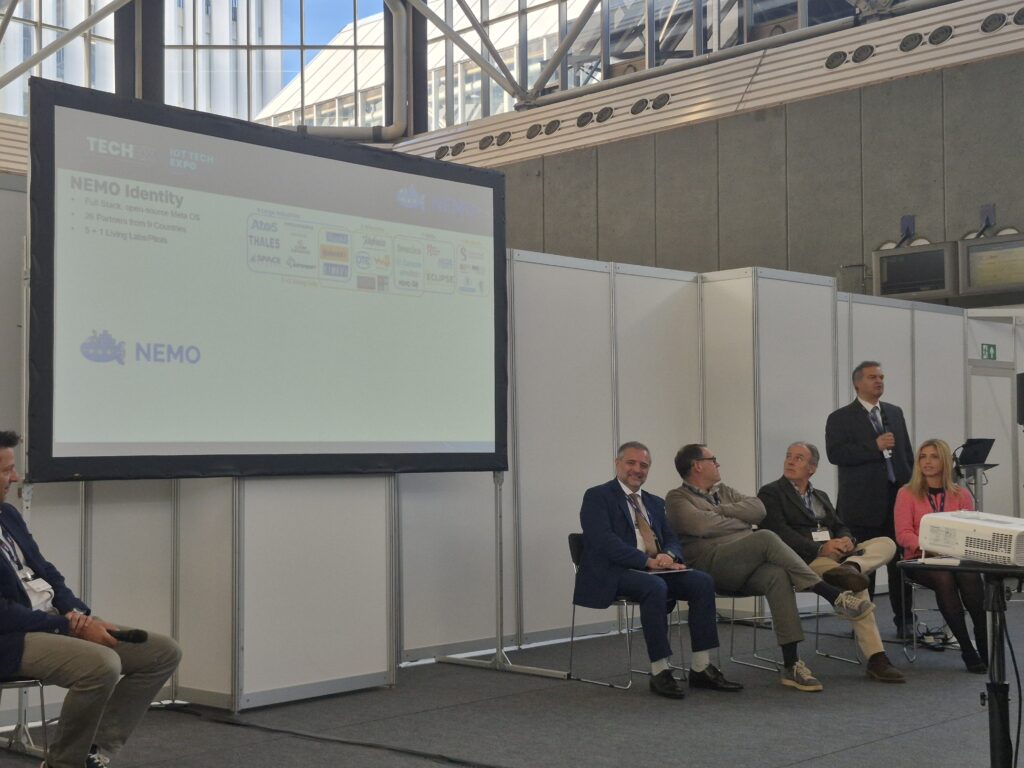
During the first day of participation of NEMO project in Tech Expo 2025 some interesting discussions took place. Our colleague Theodore Zacharis from Synelixis participated in a panel that was celebrated at the end of the session. During his intervention, he explained the identity of NEMO project, the living labs and the partner composition of the consortium.

A lot of interesting insights where made on the potential of meta-OS project for the future of edge cloud computing making it simple, smooth and scalable, by ensuring seamless interoperability.

Read More

One booth, a Meta-OS world

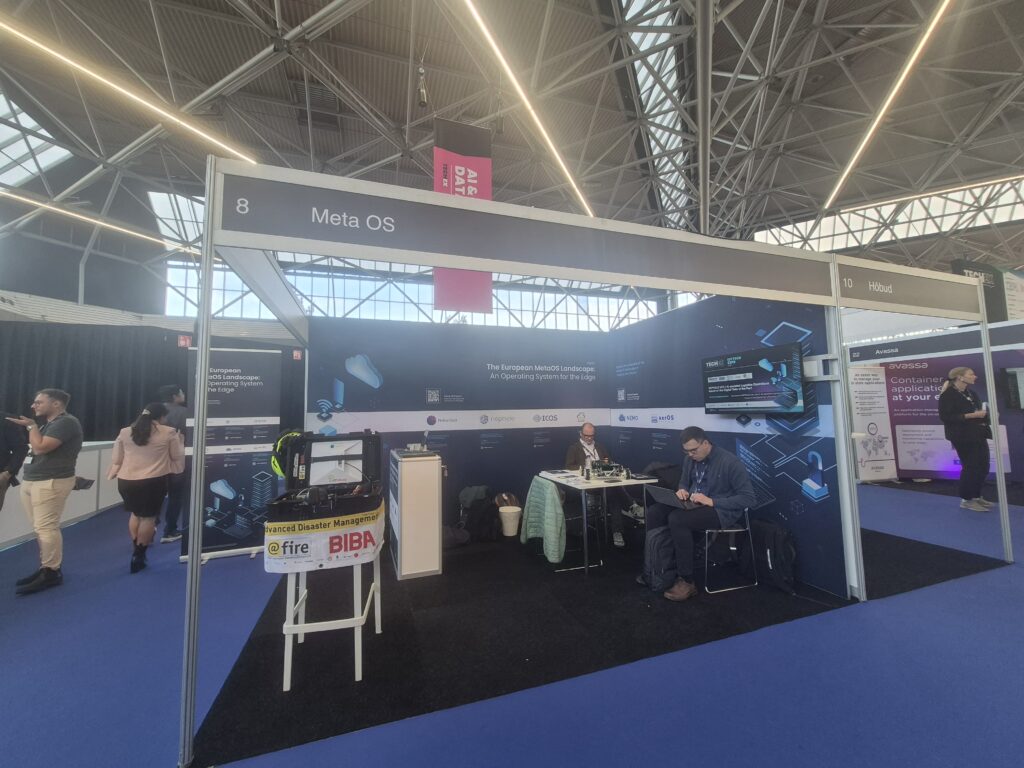
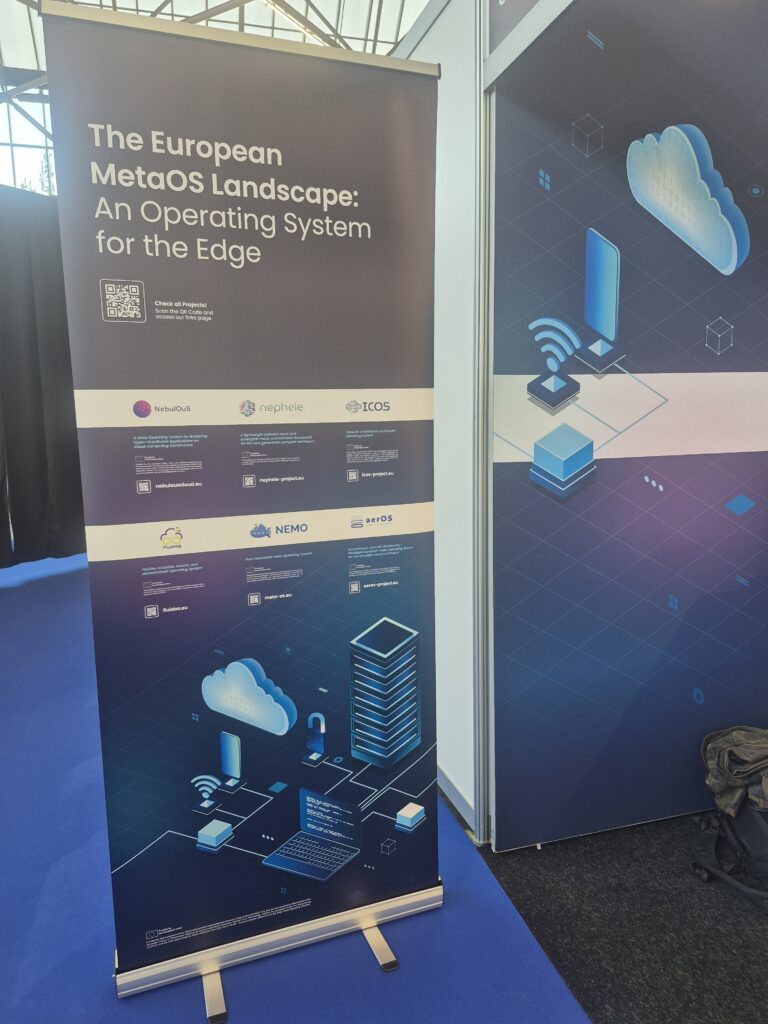
During the participation of NEMO project in Tech Expo Amsterdam, a 8 square booth was built in collaboration with other meta-OS projects such as Nephele, Nebulous, ICOS, Fluidos and aeros. A joint roll-up was created to showcase the potential of the projects but also a compendium of videos where created for the occasion. They all presented each project approach and proposals and their results and findings.

These videos where played in a TV-screen inside the booth so that attendans could engage with the projects and get to know their work better.

Read More

NEMO was present at Tech Expo Europe 2025 in Amsterdam

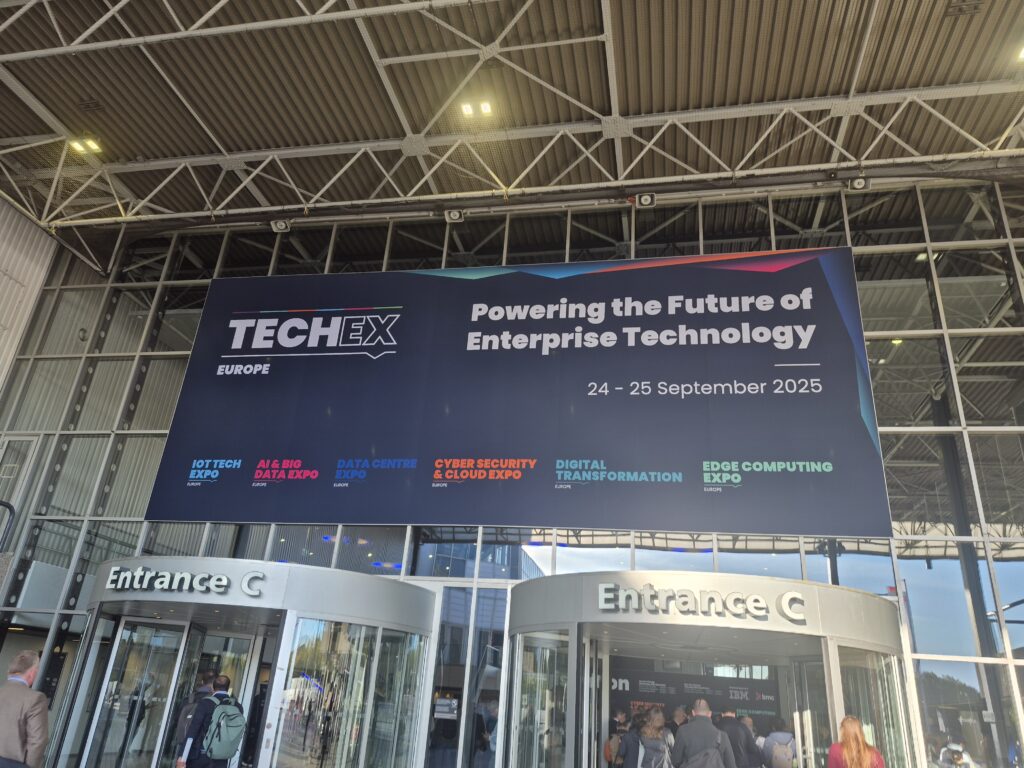
As announced in July, NEMO took part this week in Tech Expo Europe in Amsterdam, one of the leading events for emerging digital technologies and future-forward innovation. The event featured a dynamic agenda and NEMO had the opportunity to showcase the project. In this sense, NEMO participated in the event together with other 5 meta-os projects such as NEPHELE, NEBULOUS, ICOS, Fluidos and Aeros. During the event special sessions where organizaed jointly with these other meta-os projects.

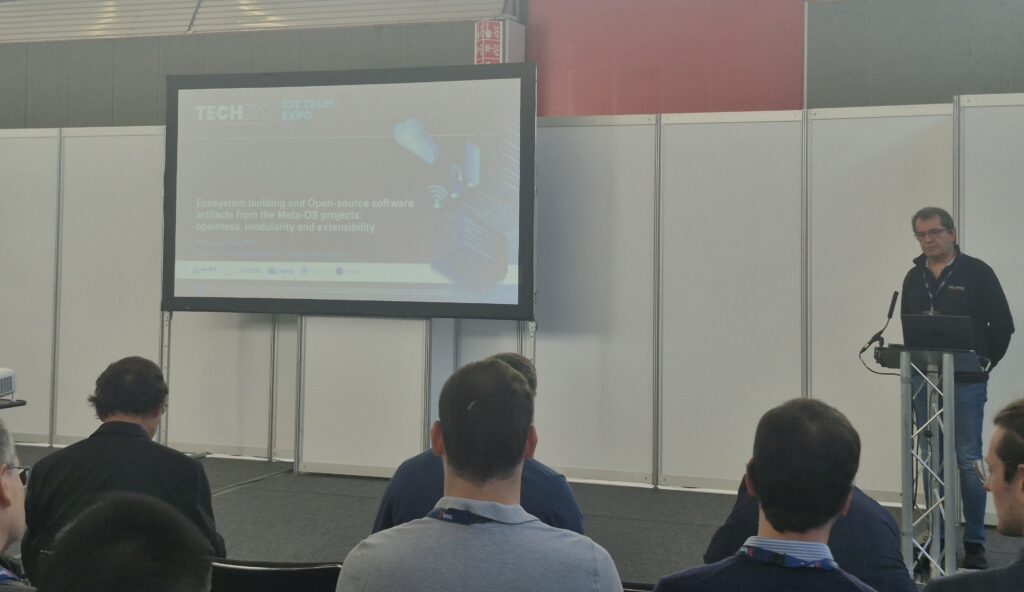
The first day, NEMO was in charge of the first session dedicated to explain the usefulness of opensource in software. Philippe Krief, from Eclipse Foudnation, delivered an insightful presentation on “Ecosystem building and Open-source software artifacts from the Meta-OS projects: openness, modularity and extensibility”.

His talk emphasized the strategic role of open-source technologies in fostering innovation, ensuring transparency, and building scalable, sustainable digital ecosystems—core principles that drive the vision behind NEMO’s META Operating System. By kicking off the event, NEMO highlighted its commitment to openness, collaboration, and interoperability in next-generation digital infrastructure. We’re thrilled to have contributed to such a high-impact event and to engage with industry leaders, innovators, and fellow researchers across Europe and beyond.

Read More

VALIDATE review

After a 5-month period after the initial integration with NEMO, the OC#1 projects reached their final review of the VALIDATE face. The projects presented their final outcomes as well as providing their plans for future exploitation of the developed solutions. The final review marked the end of a journey started on 2023 and lasted 18 months in total for the 6 participating OC#1 projects.

Read More

Open Calls 2 Growth phase review event celebrated with success

NEMO OC#2 projects participated this morning in the NEMO OC#2 GROWTH phase review event. In this online event the 6 finalists from the NEMO second open call projects presented their work to the NEMO consortium.

The projects’ presentation was divided into two sections, the first part concerned a short description of the project and the second part the exploitation, dissemination and commercialization activities conducted and future possibilities.

The NEMO OC#2 projects presented their business plans and how they intend to go from R&I to market. The event ended with both the NEMO OC#2 projects and the NEMO consortium highlighting the fruitful collaboration and success results generated over the 9 months of the NEMO OC#2 activities.

Read More

EXPERIMENT/VALIDATION sub-phase review

The 10 highly competitive projects (SMEs) of NEMO 2nd Open Call have competed and evaluated in the context of the OC#2 EXPERIMENT/VALIDATION phase. During this sub-phase, the SMEs finalized their component(s), integrated them with NEMO metaOS and tested/validated them in the verticals of the NEMO Living Labs. The VALIDATION sub-phase has been completed successfully for all the participating projects. Finally, NEMO project would like to congratulate the 6 projects that managed to be selected for the next GROWTH phase. The ones that have been selected for the next phase(with Alphabetic order) are:

  • EdgeMind

  • ORTHOTIC

  • PINO

  • Smart4Game

  • SPMS

  • TrafNET

The NEMO project would like to thank the rest of the 2nd Open Call projects that did not manage to proceed to the next phase for their participation in the  NEMO 2nd Open Call.

Read More